Arizona Soil Types and Excavation
By North Valley Rock Team • Published June 1, 2026
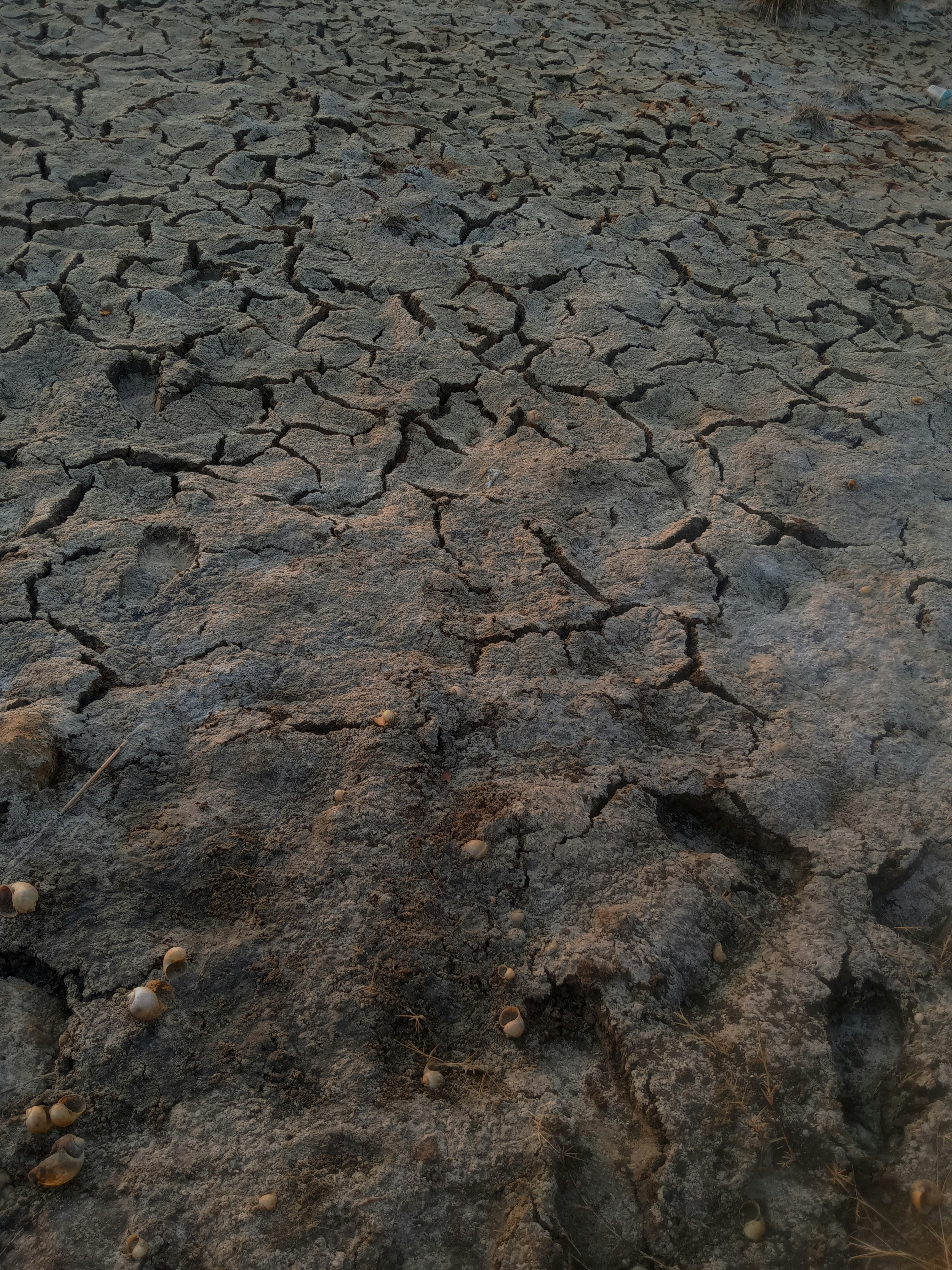
If you're building in the Valley of the Sun, what's underground is just as important as what goes on top. Arizona's desert soil is incredibly diverse and notoriously difficult. Understanding the earth beneath your boots is critical for accurate budgeting and planning.
1. Caliche (The Natural Concrete)
We cannot discuss Arizona soil without mentioning caliche. This calcium carbonate deposit binds gravel and sand into a rock-hard layer that acts like concrete. It ruins drainage and shatters light equipment. Removing it requires massive excavators fitted with hydraulic hoe rams to physically hammer it apart.
2. Clay Soils
Found frequently near riverbeds and certain pockets of the Valley, clay is expansive. When it gets wet, it swells; when it dries, it shrinks and cracks. While it compacts beautifully for creating building pads, failing to account for its expansive nature can destroy concrete slabs. It requires precise moisture control during excavation and compaction.
3. Sandy and Loamy Soils
Easy to dig, but hard to stabilize. Sandy soil will not hold a trench wall shape safely. Deep utility trenches dug in sandy soil require extensive shoring to prevent cave-ins, and building foundations often require imported crushed rock to create a stable, load-bearing base.
Equipment Matters
Contractors who only own a skid-steer will struggle the minute they hit anything harder than topsoil. At North Valley Rock, our fleet of heavy machinery is specifically curated to handle the worst that Arizona soil has to offer without breaking a sweat.